
"natural coffee defects"
3000 article(s) found

Basic knowledge of boutique coffee introduces several kinds of coffee defective beans
Moldy beans: because of incomplete drying, or damp in the process of transportation and storage, cyan and white molds grow, which sometimes make the beans stick together. If these moldy beans are not removed, they will produce moldy smell. Dead beans: beans with abnormal results. The color is not easy to change because of baking, so it is easy to distinguish. The flavor is thin, as harmful as silver skin, and will become a peculiar smell.

Introduction to the treatment of water-washed honey of coffee beans with fruit pulp in the sun
There are two methods for selecting defective coffee beans: manual selection and mechanical selection. Manual selection is an assembly line, in which several workers sit on a transmission belt about 1 meter wide to pick out defective beans, and some strict farms will manually select them many times until no defective beans are seen. The rule of mechanical selection is to identify by computer, and to remove defective beans and grade them is to divide coffee beans into different categories according to the standard.

High-quality coffee beans defective beans in coffee baking
Moldy beans: because of incomplete drying, or damp in the process of transportation and storage, cyan and white molds grow, which sometimes make the beans stick together. If these moldy beans are not removed, they will produce moldy smell. Dead beans: beans with abnormal results. The color is not easy to change because of baking, so it is easy to distinguish. The flavor is thin, as harmful as silver skin, and will become a peculiar smell.

Introduction of Ten types of defective beans in the Common sense of Fine Coffee
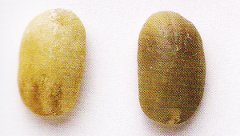
Before selecting defective beans, raw beans need to be screened in order to make the beans uniform in size. You can use three different sizes of special custom screen, or you can use the metal screen sold in general horticultural shops, but pay attention to the size. The purpose of sieving is to separate the size of beans and remove impurities. The next step is hand-selected. In order to improve the efficiency of hand selection, some props must be used, including
How to choose coffee beans by hand
Apples don't taste different because of size, which I agree with, but in the roasting of coffee beans, it doesn't matter if they're heated anyway. Coffee beans harvested from the same tree, regardless of size

Basic knowledge of boutique coffee beans introduction to several kinds of coffee defective beans
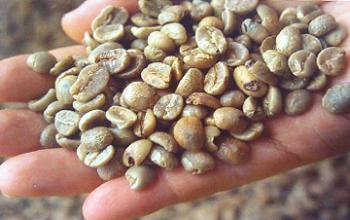
Moldy beans: because of incomplete drying, or damp in the process of transportation and storage, cyan and white molds grow, which sometimes make the beans stick together. If these moldy beans are not removed, they will produce moldy smell. Dead beans: beans with abnormal results. The color is not easy to change because of baking, so it is easy to distinguish. The flavor is thin, as harmful as silver skin, and will become a peculiar smell.
Detailed introduction of coffee beans: introduction of the classification characteristics and shapes of several kinds of defective beans
Coffee training several kinds of defective beans introduce moldy beans: because of incomplete drying, or damp during transportation and storage, cyan and white molds grow, which sometimes make the beans stick together. If these moldy beans are not removed, they will produce a moldy smell. Dead beans: beans with abnormal results. The color is not easy to change because of baking, so it is easy to distinguish. The flavor is thin, with silver skin
Coffee basic knowledge boutique coffee beans several kinds of defective beans introduction
Moldy beans: because the drying is not complete, or in the transportation, storage process damp, and grow cyan, white mold, sometimes make beans stick together, if not remove these moldy beans, will produce mold odor. Dead beans: beans that bear abnormal fruit. The color is not easily changed by baking, so it is easy to distinguish. Flavor thin, with silver skin

Ultraviolet rays shine out defective beans! How to use ultraviolet lamp to control the quality of coffee roasting?
Professional coffee knowledge exchange more coffee bean information Please pay attention to the coffee workshop (Wechat official account cafe_style) consistency is the key to coffee roasting. Keeping all variables as uniform as possible helps to maintain a certain level of quality. Ultraviolet (UV) is a tool you can use to help achieve consistency. Please read on to learn how to use ultraviolet lights to identify damaged students.
What are the common ways to handle raw coffee beans? What is the difference between solarization and washing? Coffee-producing country
Professional coffee knowledge exchange more information about coffee beans Please follow the common handling methods of raw coffee beans in the coffee workshop (Wechat official account cafe_style). What is the difference between solarization and washing? What is the grading system of raw beans in large coffee-producing countries? 1. Grading: after the seeds are taken out, the seeds are screened and graded, and Guatemala, Costa Rica and other countries are rated according to the planting height.
Ethiopian Coffee Bean Story-relationship between Ethiopian Coffee Bean grading and defect rate
Professional coffee knowledge exchange more coffee bean information please follow the coffee workshop (Wechat official account cafe_style) in all the coffee producing areas, the most familiar is Ethiopia, because this is the recognized birthplace of coffee. At first, coffee fruit was regarded as a fruit rather than a drink. Ethiopian coffee beans taste very diverse, from oranges and flowers
Introduction of several kinds of defective beans
Moldy beans: because of incomplete drying, or damp in the process of transportation and storage, cyan and white molds grow, which sometimes make the beans stick together. If these moldy beans are not removed, they will produce moldy smell. Dead beans: beans with abnormal results. The color is not easy to change because of baking, so it is easy to distinguish. The flavor is thin, as harmful as silver skin, and will become different.
Introduction of several defective beans of Coffee beans
Moldy beans: because of incomplete drying, or damp in the process of transportation and storage, cyan and white molds grow, which sometimes make the beans stick together. If these moldy beans are not removed, they will produce moldy smell. Dead beans: beans with abnormal results. The color is not easy to change because of baking, so it is easy to distinguish. The flavor is thin, as harmful as silver skin, and will become a peculiar smell.

Hawaiian Coffee rating Kona blend is Kona Coffee? How to prevent Kona Coffee scam
Here are some expert opinions about Kona Coffee and the grade standards of Kona Coffee to rate and comment on coffee is a complex and subjective task. For example, coffee beans are constantly changing, and the preparation method also has a great impact on the final product. We use the score provided by the coffee review, which is based on descriptive categories (such as aroma, acidity, mellow, flavor and aftertaste).
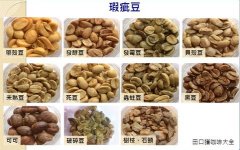
Introduction to Coffee basic knowledge, Fine Coffee and defective beans
Moldy beans: because of incomplete drying, or damp in the process of transportation and storage, cyan and white molds grow, which sometimes make the beans stick together. If these moldy beans are not removed, they will produce moldy smell. Dead beans: beans with abnormal results. The color is not easy to change because of baking, so it is easy to distinguish. The flavor is thin, as harmful as silver skin, and will become a peculiar smell.

Coffee is classified like this. Explore the secret and classification of coffee bean names.
Professional coffee knowledge exchange More coffee bean information Please pay attention to coffee workshop (Weixin Official Accounts cafe_style) When buying coffee beans, in addition to seeing the name of coffee origin in the packaging or text introduction, sometimes you will see English and numbers, G1, G2, G3, AA, PB, SHB, SHG, HB, etc. Have you ever been confused about what these English or numbers represent? they

What are the types of coffee treated by natural washing
Natural washing coffee 1, choose beans: put the harvested fruit in the water tank, the ripe fruit will sink, while the unripe and overripe fruit will float up and can be removed. 2, drying: put the selected ripe fruit in the square for 5-6 days until it is fully dry. At this time, the fruit becomes dark brown, with a moisture content of 13% 3, shelled: after drying
Introduction of several kinds of defective beans in basic knowledge of Coffee
Moldy beans: because of incomplete drying, or damp in the process of transportation and storage, cyan and white molds grow, which sometimes make the beans stick together. If these moldy beans are not removed, they will produce moldy smell. Dead beans: beans with abnormal results. The color is not easy to change because of baking, so it is easy to distinguish. The flavor is thin, as harmful as silver skin, and will become a peculiar smell.

Exploring the secrets and classification of coffee bean names: how to distinguish the quality of coffee beans
Communication of professional baristas Please pay attention to the coffee shop (Wechat official account cafe_style) when buying coffee beans, you will sometimes see English and numbers, G1, G2, G3, AA, PB, SHB, SHG, HB, etc., in addition to the name of the coffee producing area in the packaging or in the text introduction. Have you ever wondered what these English or numbers represent? What's the difference between them?

Ethiopian Sidama G1 Coffee Bean Grades
Ethiopian sidamo G1 grade of coffee beans washed sidamo green beans are pale green, citrus notes are evident on the palate with a hint of berry fruit, and pleasant elegant sour, grape sweet and chocolate aftertaste washed coffee flavor less wild flavor, with a clean, refreshing character, suitable for City to Full City roasting degree; some excellent in nature